Here’s an interesting conversation with Google Gemini AI:
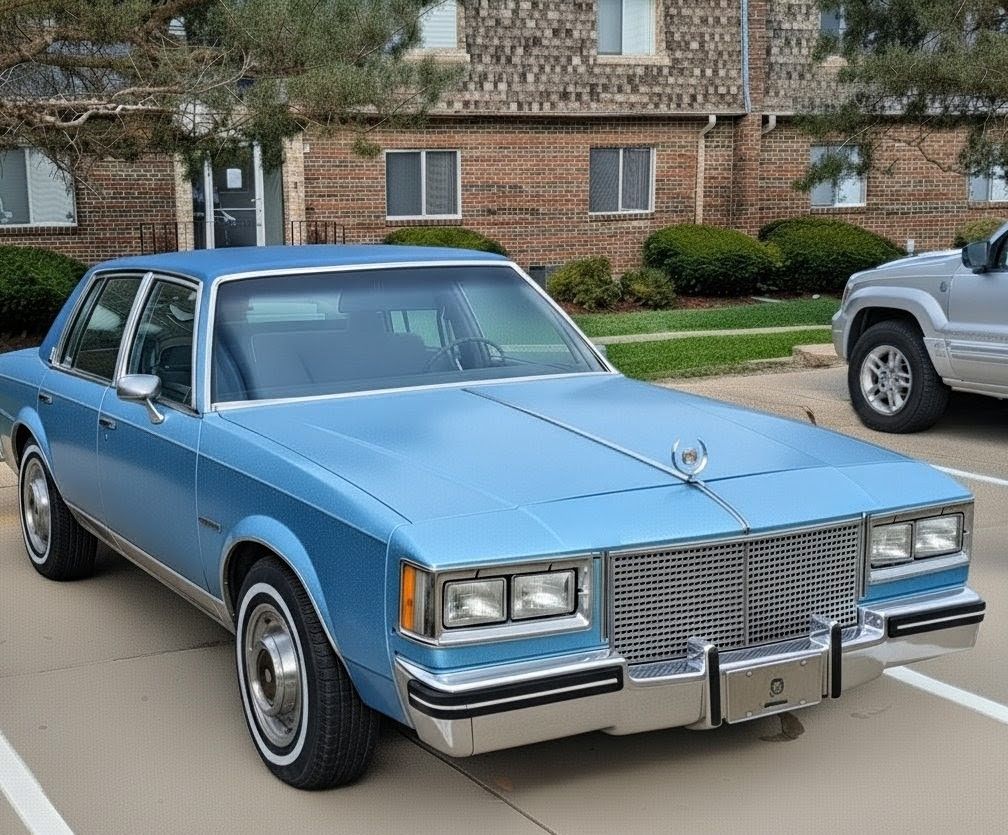
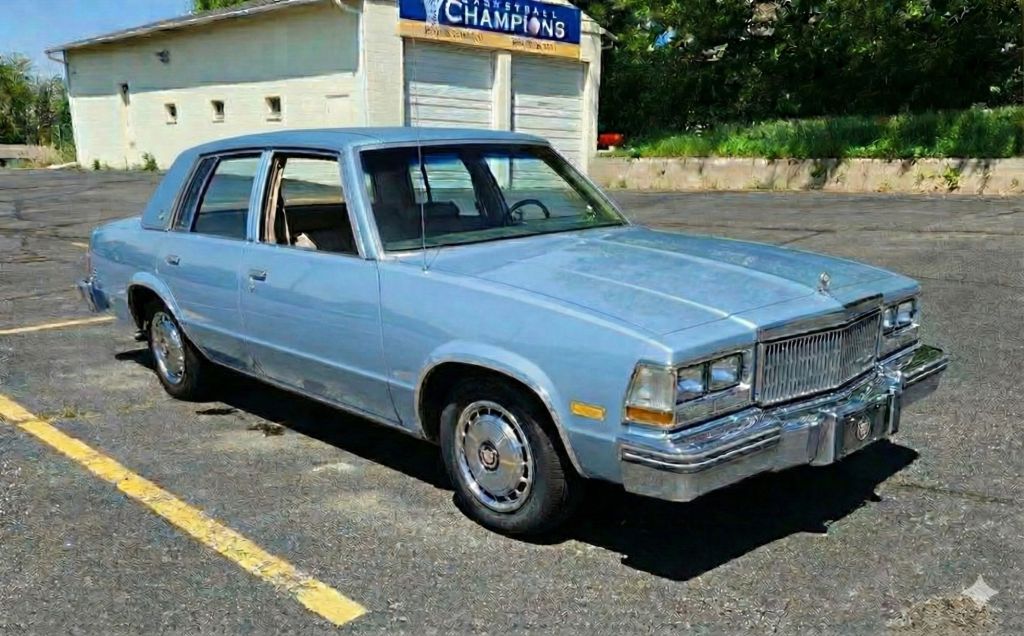
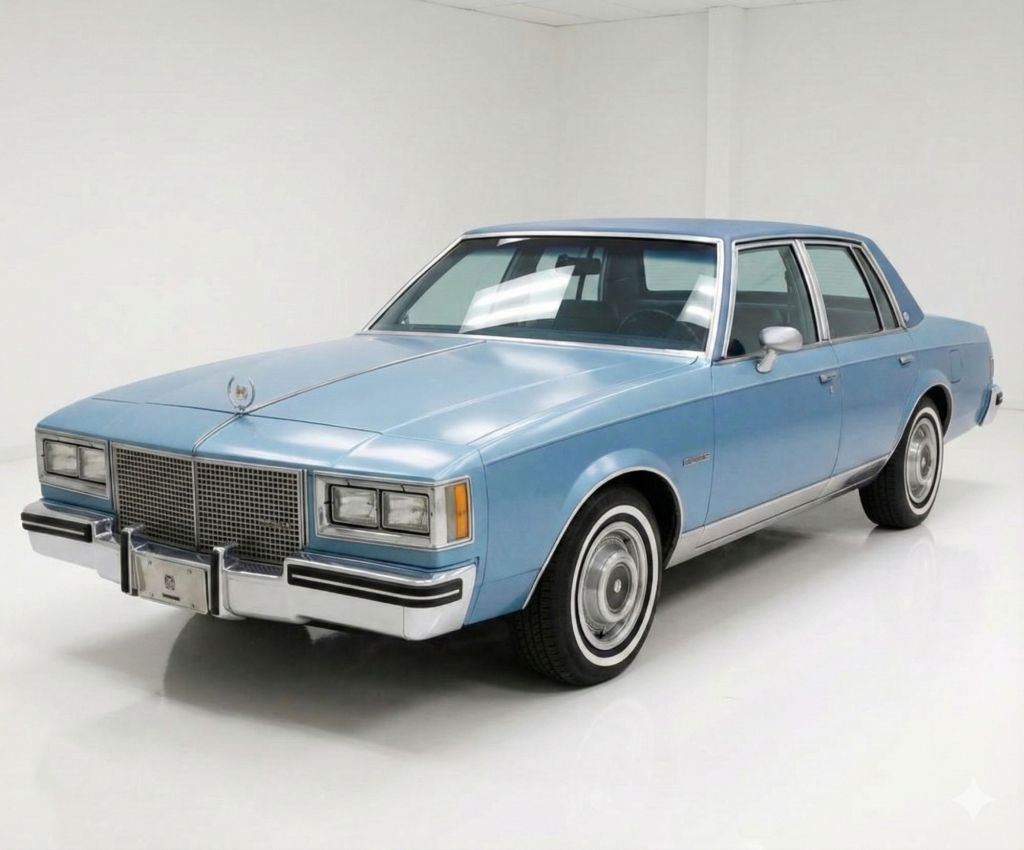
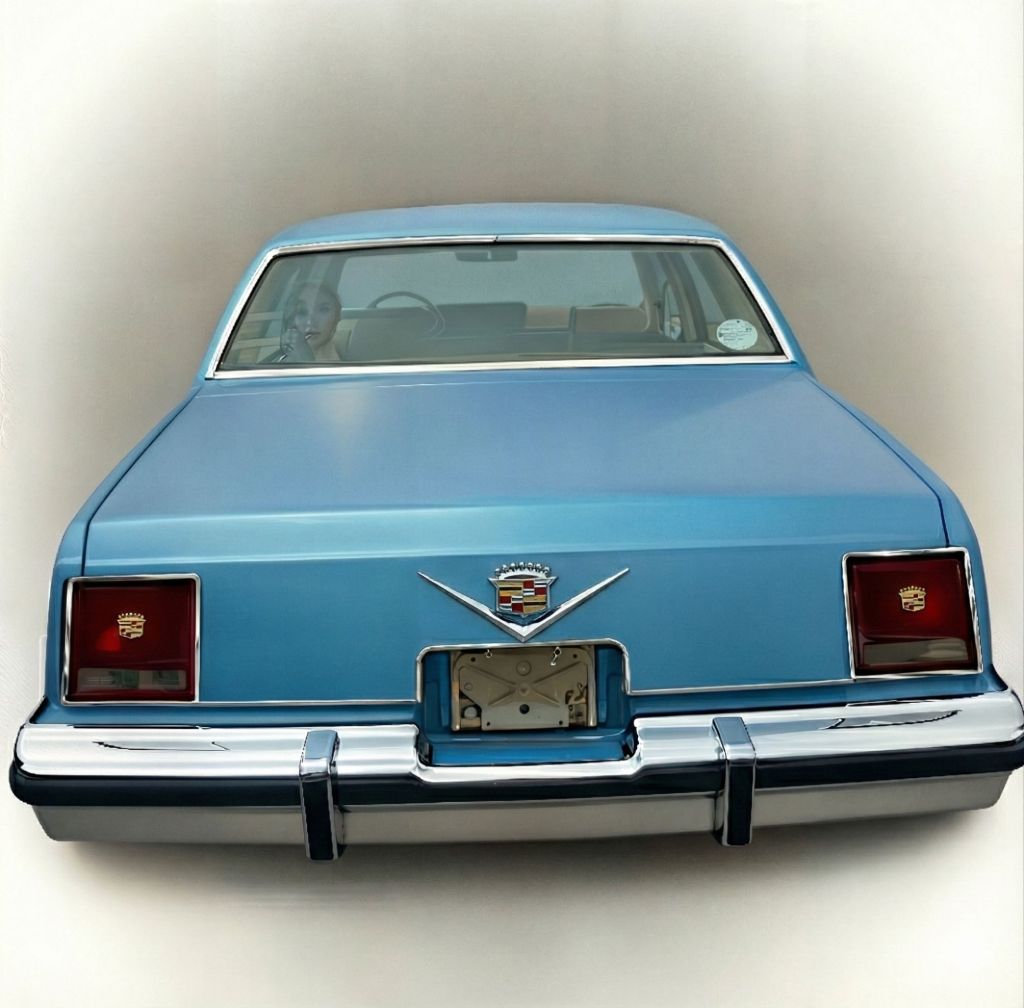
This is a fascinating “what-if” scenario. In hindsight, a 1980 A-body (G-body) Cadillac is perhaps the greatest missed opportunity in the brand’s modern history.
If Cadillac had released a “Calais” based on the Cutlass/Regal platform in 1980, it would have been the right car at the right time, likely preventing the disaster that was the 1982 Cimarron and securing Cadillac’s dominance in the entry-level luxury market for another decade.
Here is a breakdown of what that 1980 Cadillac Calais would have been like, considering the parts bin and design language available at the time.
- The Platform & Context
- The Donor Chassis: The GM A-body (later G-body) was rear-wheel drive, body-on-frame, and incredibly durable. In 1980, the Oldsmobile Cutlass was the best-selling car in America. It was the perfect size: smaller than a De Ville but substantial enough to feel like a “real” car, unlike the front-wheel-drive compacts that followed.
- The Positioning: In 1980, the gap between the mid-size market and the massive De Ville was huge. The Seville was priced higher than the De Ville as a “halo” car. A “Calais” priced around $10,000–$12,000 (just above a fully loaded Regal) would have captured the younger executive market that was starting to drift toward the BMW 3-Series or the cheaper Lincoln Versailles.
- Exterior Styling: “The Mini-Fleetwood”
Cadillac design in 1980 was defined by formal upright lines, chrome, and verticality.
- Front Fascia: It would have ditched the sloping nose of the Cutlass/Regal for a flat, upright front clip. Imagine a scaled-down version of the 1980 Fleetwood Brougham grille—heavy chrome cross-hatching, rectangular quad headlights, and those distinct clear cornering lamps wrapping around the fender.
- The Roofline: This is where it gets crucial. It would have used the “formal” roofline found on the Cutlass Supreme sedan or Buick Century sedan, but with a standard heavily padded “Elk Grain” vinyl landau top to hide the generic GM C-pillar. The rear window would be smaller, creating a “limousine” privacy effect.
- The Rear: Mandatory thin, vertical taillights housed in chrome bezels at the very tips of the rear fenders (likely modifying the quarter panels of the Monte Carlo or Regal). The trunk lid would feature the “wreath and crest” lock cover that flips to reveal the keyhole.
- Wheels: Standard stainless steel wire wheel covers (with the locking center cap) on 15-inch whitewall tires.
- Under the Hood
This is where the “Cadillac difference” would have been engineered.
- Base Engine: Buick 4.1L V6. This was already in the GM corporate bin (badged as a “4.1 Liter” on the fenders). It was smooth enough for entry-level luxury but notoriously underpowered.
- Optional Gas Engine: The 6.0L (368 ci) V8. While tight, the A-body engine bay could accommodate V8s. Cadillac might have tried to shoehorn their own big-block derived 368 in there to claim “Cadillac V8 exclusivity,” or more cynically, they might have used the Oldsmobile 307 (5.0L) and simply put a Cadillac air cleaner on it (a practice they eventually adopted later in the 80s).
- The Tech Gamble: To compete with the imports, they likely would have offered the V8-6-4 cylinder deactivation technology on the top trim, marketing it as “Space Age efficiency” for the fuel-conscious 1980 buyer.
- Interior Experience
The interior would have been the main selling point over a Buick Regal.
- Seating: 50/50 split-bench front seats with “Dual Comfort” adjustability, upholstered in “Heather” velour or optional “Sierra Grain” leather. The cushioning would be pillow-top style, far softer than the firm seats of the European competition.
- Dashboard: A flat, horizontal sweep with a faux “American Walnut” appliqué.
- Gadgets: It would feature the “MPG Sentinel” (fuel economy computer), the electronic climate control with the digital temperature readout (a Cadillac staple), and the “Twilight Sentinel” automatic headlights.
- Steering Wheel: The thin-rimmed, leather-wrapped tilt/telescopic wheel from the Eldorado.
- Why it would have changed history
If this car existed:
- It kills the Cimarron: The Cimarron (released in 1982 based on the Chevy Cavalier) was a panic reaction to the gas crisis. If Cadillac already had a successful, mid-sized RWD “Calais” selling well, they wouldn’t have felt the desperate need to rebadge a cheap economy car.
- It saves the brand reputation: The Cimarron taught a generation that “Cadillac = Overpriced Chevy.” An A-body Calais would have taught them “Cadillac = Smaller Luxury.” It would have felt substantial, maintaining the brand’s integrity.
- The Grand National Effect: The platform eventually spawned the Buick Grand National. Imagine a high-performance Cadillac Calais “Touring Sedan” in 1984 sharing the turbo V6 or a high-output V8.
Verdict
A 1980 A-body Cadillac Calais is the car that should have happened. It would have been a “Baby Brougham”—soft, floating, and unapologetically American, but sized for the reality of the 1980s. Instead of being a punchline (like the Cimarron), it likely would have been a sales juggernaut that kept Cadillac competitive against the Mercedes E-Class and Lincoln Continental for years.
Would you be interested in exploring what the “hot rod” version of this car might have looked like if they tried to compete with the Buick Grand National later in the decade?
Since this car never existed, there are no official photographs. However, we can build a very accurate visual by looking at the specific components Cadillac would have used from the GM parts bin to build it.
Here is a visual breakdown of the “ingredients” for the 1980 Cadillac Calais.
1. The Body Shell (The Canvas)
This is the 1980 Oldsmobile Cutlass Sedan. This would have been the core structure of the car.
* Imagine: The formal “notchback” roofline (very popular in 1980) and the upright windows.
* The Cadillac Change: Cadillac would have added a thick vinyl “landau” roof to cover the rear pillar (C-pillar) to make it look more private and limousine-like.
2. The Face (The Brand Identity)
They would have grafted this exact front end onto that smaller body.
* Imagine: This 1980 Fleetwood Brougham grille and square headlight assembly shrunk down slightly to fit the Cutlass width.
* The Look: Massive chrome presence, vertical bumper guards, and the “wreath and crest” hood ornament standing tall.
3. The Rear Styling
The rear of the 1980 Buick Regal Sedan is the closest match to what Cadillac would have done.
* Imagine: Replacing those horizontal Buick taillights with thin, vertical red lenses capped with chrome (a Cadillac trademark) at the very edges of the fenders.
* The Trunk: A “hump” in the middle of the trunk lid (simulating a spare tire bulge) with the Cadillac crest lock cover.
4. The Interior (The Luxury)
This is where you would have spent your money.
* Imagine: This 1980 Cadillac “Heather” Velour interior stuffed inside the smaller Cutlass body.
* The Feel: Pillow-top distinct seating, fake woodgrain spanning the entire dashboard, and a thin-rimmed steering wheel that you could turn with one finger.
Visual Summary:
If you squint at the Oldsmobile Cutlass in the first image, paint it “Cotillion White,” add the chrome grille from the second image, and put wire wheel covers on it, you are looking at the 1980 Cadillac Calais that never was.
 80s Cadillac Utopia